When completing a job for a client, one of the essential documents you will need is a work estimate. This document is crucial as it outlines the projected cost for completing the job, serving as a negotiation tool between you and your potential client.
Table of Contents
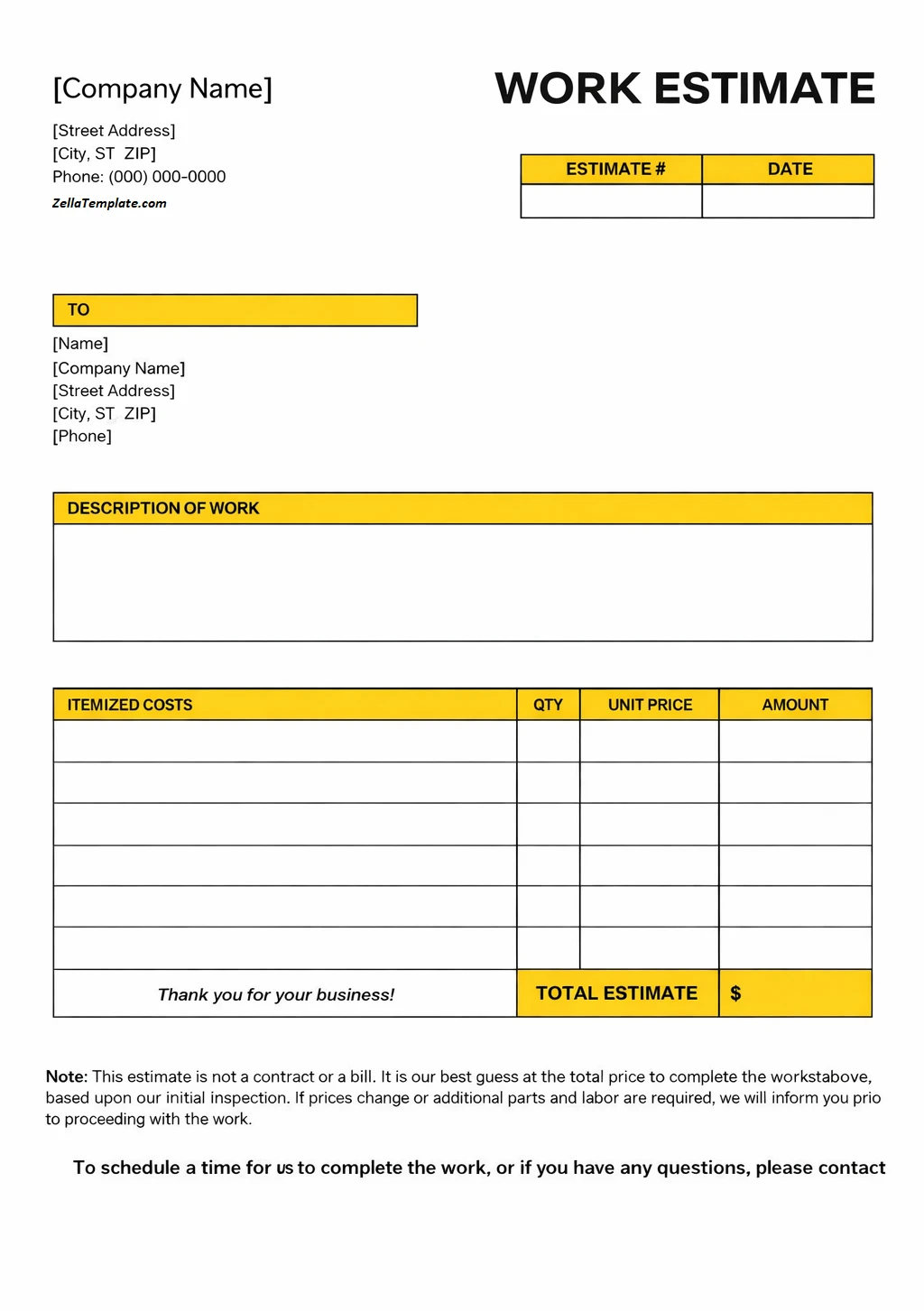
In this comprehensive guide, we will delve into the What, Why, Key Elements, How to, and Tips for Successful Work Estimates.
What is a Work Estimate?
A work estimate is a document that lists the projected cost for completing a job for the buyer. It is given to the prospective client during the contract phase and is used to negotiate the cost between a potential buyer and supplier.
The work estimate provides a breakdown of the anticipated expenses, including materials, labor, and any other associated costs.
Why are Work Estimates Important?
Work estimates play a critical role in the project management process by providing a roadmap for the project, guiding it from conception to completion. They help set expectations, establish boundaries, and ensure alignment between the buyer and supplier on project requirements, costs, and timelines. By creating a work estimate, both parties are better equipped to manage risks, avoid misunderstandings, and achieve successful project outcomes.
Transparency and Clarity
One of the primary reasons work estimates are important is their role in fostering transparency and clarity between the buyer and supplier. By providing a detailed breakdown of the project requirements, costs, and timelines, work estimates ensure that both parties are aligned regarding what is expected from the project. This transparency helps build trust and confidence in the business relationship, setting a positive tone for the project.
Risk Management
Work estimates are also crucial for managing risks associated with the project. By clearly outlining the scope of work, potential challenges, and associated costs, work estimates help identify and mitigate risks early on. This proactive approach allows both parties to address issues before they escalate, reducing the likelihood of project delays, cost overruns, or disputes. Work estimates serve as a tool for risk assessment and management, helping buyers and suppliers navigate potential obstacles effectively.
Cost Control
Another key reason work estimates are important is their role in cost control. By providing a detailed breakdown of the costs associated with the project, work estimates enable both parties to budget effectively, allocate resources efficiently, and manage expenses throughout the project lifecycle. This cost control mechanism helps prevent financial surprises, ensures profitability for the supplier, and allows the client to plan and allocate funds appropriately for the project.
Scope Management
Work estimates also assist in managing the scope of work for the project. By clearly defining the project requirements, deliverables, and objectives, work estimates help prevent scope creep and ensure that both parties are aligned on the project scope from the outset. This scope management mechanism helps maintain project focus, prevent unnecessary changes, and ensure that the project stays on track, within budget, and on schedule.
Key Elements of a Work Estimate
When creating a work estimate, it is essential to include key elements to make it comprehensive and informative. These elements provide a detailed breakdown of the project requirements, costs, timelines, terms and conditions, and contact information:
Detailed Project Description
The project description is a crucial component of a work estimate as it provides an overview of the project scope, objectives, and deliverables. It should be detailed and specific, outlining the client’s requirements, expectations, and any unique considerations that may impact the project. The project description sets the foundation for the work estimate, guiding both parties on what needs to be accomplished and how it will be executed.
Itemized Cost Breakdown
The cost breakdown is a detailed list of the expenses associated with the project, including materials, labor, equipment, subcontractors, permits, and any other relevant costs. It should be itemized and transparent, providing a clear overview of where the project budget is allocated and how costs are distributed. The cost breakdown helps the client understand what they are paying for and allows the supplier to justify their pricing based on the project requirements.
Timeline and Milestones
The timeline and milestones section of the work estimate outlines the project schedule, including start and end dates, key milestones, and deliverables. It provides a roadmap for the project, guiding both parties on the expected timeline for completion and key project milestones. The timeline and milestones help manage expectations, track progress, and ensure that the project stays on track and within the agreed-upon timelines.
Terms and Conditions
The terms and conditions section of the work estimate includes all legal and contractual terms related to the project, such as payment terms, invoicing schedule, change orders, warranties, and cancellation policies. It is essential to clearly outline the terms and conditions to prevent misunderstandings and disputes down the line. This section sets the boundaries for the project, ensuring that both parties are aware of their rights and obligations throughout the project lifecycle.
Contact Information
The contact information section of the work estimate includes the names, phone numbers, email addresses, and physical addresses of the client and supplier. It ensures that both parties have a direct line of communication throughout the project and can easily reach out to each other in case of any questions, concerns, or issues that may arise. Having accurate contact information helps facilitate smooth communication, collaboration, and project management.
How to Create a Work Estimate
Creating a work estimate involves several steps to ensure accuracy, clarity, and professionalism. Follow these steps to create a comprehensive and informative work estimate:
Gather Project Information
Start by gathering all the necessary information about the project, including the client’s requirements, objectives, timelines, and budget constraints. Meet with the client to discuss their needs, preferences, and expectations for the project. Ask questions, take notes, and clarify any uncertainties to ensure you have a clear understanding of what needs to be accomplished.
Estimate Costs
Once you have gathered all the project information, it’s time to estimate the costs associated with the project. This includes calculating the costs of materials, labor, equipment, permits, subcontractors, and any other expenses. Be thorough and detailed in your cost estimation to provide an accurate representation of the project budget. Consider any potential risks or contingencies that may impact the cost and factor them into your estimate.
Create the Document
Use a template or software program to create the work estimate document. Include all the key elements discussed earlier, such as the project description, cost breakdown, timeline, terms and conditions, and contact information. Customize the document to reflect the specific requirements and preferences of the client while maintaining a professional and polished appearance. Ensure that the document is easy to read, visually appealing, and includes all the necessary information for the client to make an informed decision.
Review and Finalize
Before presenting the work estimate to the client, review it carefully for accuracy, completeness, and clarity. Double-check all calculations, descriptions, and timelines to ensure they are consistent with the project requirements. Make any necessary adjustments or revisions to address any discrepancies or errors. Once you are satisfied with the work estimate, finalize the document and ensure that all the terms and conditions are clearly outlined, and the contact information is accurate. Seek feedback from colleagues or advisors to ensure that the work estimate is comprehensive and professional. Once the document is finalized, prepare to present it to the client in a clear and organized manner.
Tips for Successful Work Estimates
Creating successful work estimates requires attention to detail, clear communication, and careful planning. Follow these tips to ensure your work estimates are accurate, professional, and effective:
Be Detailed and Thorough
Provide a detailed breakdown of the project requirements, costs, and timelines in your work estimate. Be thorough in your descriptions and calculations to ensure that the client has a clear understanding of what to expect from the project. Include all relevant details and specifications to prevent misunderstandings and disputes.
Use Templates and Tools
Utilize templates or software tools to streamline the work estimate creation process. Templates can help you organize information, ensure consistency, and save time on formatting. Software tools can assist with calculations, cost estimation, and document customization, making the process more efficient and professional.
Communicate Clearly and Transparently
Clear communication is key to successful work estimates. Ensure that all terms and conditions are explained clearly, and any uncertainties are addressed upfront. Be transparent about costs, timelines, and project requirements to build trust with the client and set realistic expectations for the project.
Be Realistic and Honest
Ensure that your work estimates are realistic and based on accurate information. Avoid overpromising or underestimating costs to avoid disappointments or disputes later on. Be honest about potential challenges, risks, and limitations of the project to manage expectations effectively.
Follow Up and Stay Engaged
After presenting the work estimate to the client, follow up to address any questions, concerns, or feedback they may have. Stay engaged throughout the negotiation process, be responsive to inquiries, and provide additional information as needed. Building a strong relationship with the client is essential for successful project outcomes.
Update Regularly and Stay Flexible
Keep your work estimates up to date with any changes in project scope, costs, or timelines. Be flexible and open to revisions or adjustments as the project progresses. Communicate any updates or modifications to the client promptly to ensure that both parties are aligned on the project requirements and expectations.
Seek Feedback and Learn from Experience
Seek feedback from clients, colleagues, or industry experts to improve your work estimates. Learn from past projects and experiences to refine your estimation process and enhance your skills. Continuously strive to improve your work estimates to provide better value and service to your clients.
Free Work Estimate Template
A Work Estimate helps you clearly outline projected costs, labor, materials, and timelines before work begins. It provides a professional structure for setting expectations, improving transparency, and supporting informed decision-making between service providers and clients. With a well-designed template, you can reduce misunderstandings and present accurate, reliable estimates.
Download our Work Estimate Template today to create clear and professional estimates with confidence.
Work Estimate Template – DOWNLOAD