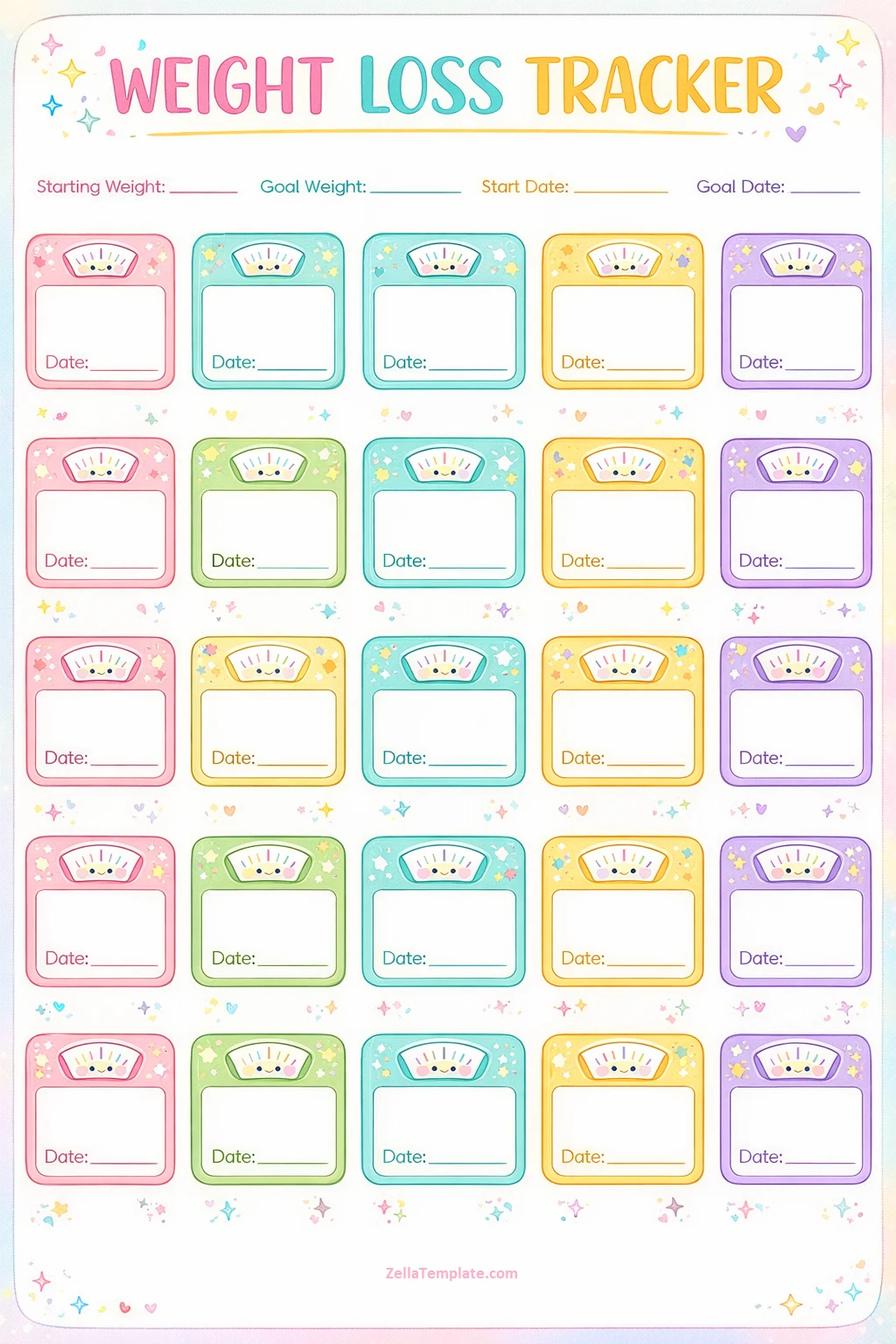
Embarking on a weight loss journey can be both exciting and daunting. It requires commitment, dedication, and a clear plan of action. One tool that can greatly assist in this journey is a weight loss tracker.
Table of Contents
These trackers are designed to help individuals monitor their progress and stay accountable to their weight loss goals. By recording crucial data such as weight, diet, and exercise, users can gain valuable insights into their habits and make informed decisions to reach their desired weight.
In this comprehensive guide, we will explore the benefits of using a weight loss tracker, how it can help you achieve your weight loss goals, what components to include in a tracker, and practical tips to support your weight loss journey.
What Is A Weight Loss Tracker?
A weight loss tracker is a digital or physical tool that allows individuals to monitor various aspects of their weight loss journey. These trackers typically include features such as recording daily weight, tracking food intake, logging exercise, setting goals, and analyzing progress through visual charts and graphs.
By utilizing a weight loss tracker, users can keep a detailed record of their weight, diet, and exercise habits, which can help them make informed decisions to reach their weight loss goals.
How Can It Help You Achieve Your Weight Loss Goals?
Increased Accountability
One of the primary ways in which a weight loss tracker can help you achieve your weight loss goals is by increasing accountability. When you have to log your weight, diet, and exercise habits regularly, you become more accountable for your actions. Knowing that you have to record your progress can motivate you to make healthier choices and stay on track with your weight loss plan.
Enhanced Motivation
Using a weight loss tracker can also enhance your motivation to stick to your weight loss goals. Seeing your progress visually through charts and graphs can be incredibly motivating. Watching the numbers on the scale go down or seeing improvements in your fitness levels can inspire you to keep going and maintain your momentum toward reaching your desired weight.
Awareness of Eating and Activity Patterns
By tracking your food intake and exercise habits with a weight loss tracker, you can become more aware of your eating and activity patterns. You may start to notice trends in your behaviors that are either helping or hindering your weight loss progress. This awareness allows you to make necessary adjustments to your diet and exercise routines to support your weight loss goals more effectively.
What To Include In A Weight Loss Tracker?
Weight Monitoring
One of the essential components to include in a weight loss tracker is weight monitoring. Recording your weight regularly allows you to track your progress over time and see how your weight fluctuates. This data can help you identify patterns in your weight loss journey and make adjustments to your plan as needed.
Diet Tracking
Another crucial element to include in a weight loss tracker is diet tracking. Logging your daily food intake allows you to monitor your calorie consumption, nutritional habits, and eating patterns. By keeping a detailed record of what you eat, you can identify areas where you may be overeating, consuming unhealthy foods, or lacking essential nutrients.
Exercise Logging
Exercise logging is also an important feature to include in a weight loss tracker. Tracking your workout routines, physical activity, and fitness levels helps you ensure that you are meeting your exercise goals. By recording your exercise habits, you can see how consistent you are with your workouts and make adjustments to your fitness routine for better results.
Goal Setting
Setting realistic and achievable goals is a critical component of a successful weight loss tracker. By establishing specific goals for weight loss, nutrition, and exercise, you can track your progress more effectively and stay motivated throughout your journey. Whether your goal is to lose a certain amount of weight, fit into a specific clothing size, or improve your overall health, having clear objectives can help you stay focused and committed.
Tips To Help You Lose Weight
Stay Consistent
Consistency is key when it comes to losing weight. Make healthy choices consistently, such as eating nutritious foods, exercising regularly, and staying hydrated. By maintaining a consistent routine, you are more likely to see long-term results and achieve your weight loss goals.
Drink Plenty of Water
Staying hydrated is essential for overall health and weight loss. Drinking plenty of water throughout the day helps support your body’s functions, aids in digestion, and can prevent overeating. Aim to drink at least eight glasses of water a day to stay hydrated and support your weight loss efforts.
Get Plenty of Sleep
Quality sleep is crucial for weight loss and overall well-being. Aim to get 7-9 hours of sleep each night to allow your body to rest and recover. Lack of sleep can disrupt hormonal balance, increase cravings for unhealthy foods, and hinder weight loss progress. Prioritize sleep as part of your weight loss journey for optimal results.
Be Mindful of Portion Sizes
Practicing portion control is key to managing your calorie intake and supporting weight loss. Be mindful of the serving sizes of foods you eat and avoid overeating. Using measuring cups, food scales, or visual cues can help you control portion sizes and prevent consuming excess calories.
Stay Active
Incorporating regular physical activity into your daily routine is essential for weight loss. Aim to engage in at least 150 minutes of moderate-intensity exercise per week, such as brisk walking, cycling, or swimming. Physical activity not only burns calories but also improves fitness levels, boosts metabolism, and enhances overall health.
Conclusion
In conclusion, utilizing a weight loss tracker can be a valuable tool in supporting your weight loss goals. By tracking your weight, diet, and exercise habits, you can increase accountability, motivation, and awareness of your behaviors.
Incorporating components such as weight monitoring, diet tracking, exercise logging, and goal setting into your tracker can help you stay on track and make informed decisions. By implementing practical tips such as staying consistent, drinking plenty of water, getting enough sleep, and practicing mindful eating, you can further support your weight loss journey.
Remember to stay positive, celebrate progress, and stay committed to your goals. With the right tools, strategies, and mindset, you can achieve your weight loss goals and create a healthier lifestyle for yourself.
Weight Loss Tracker Template – WORD