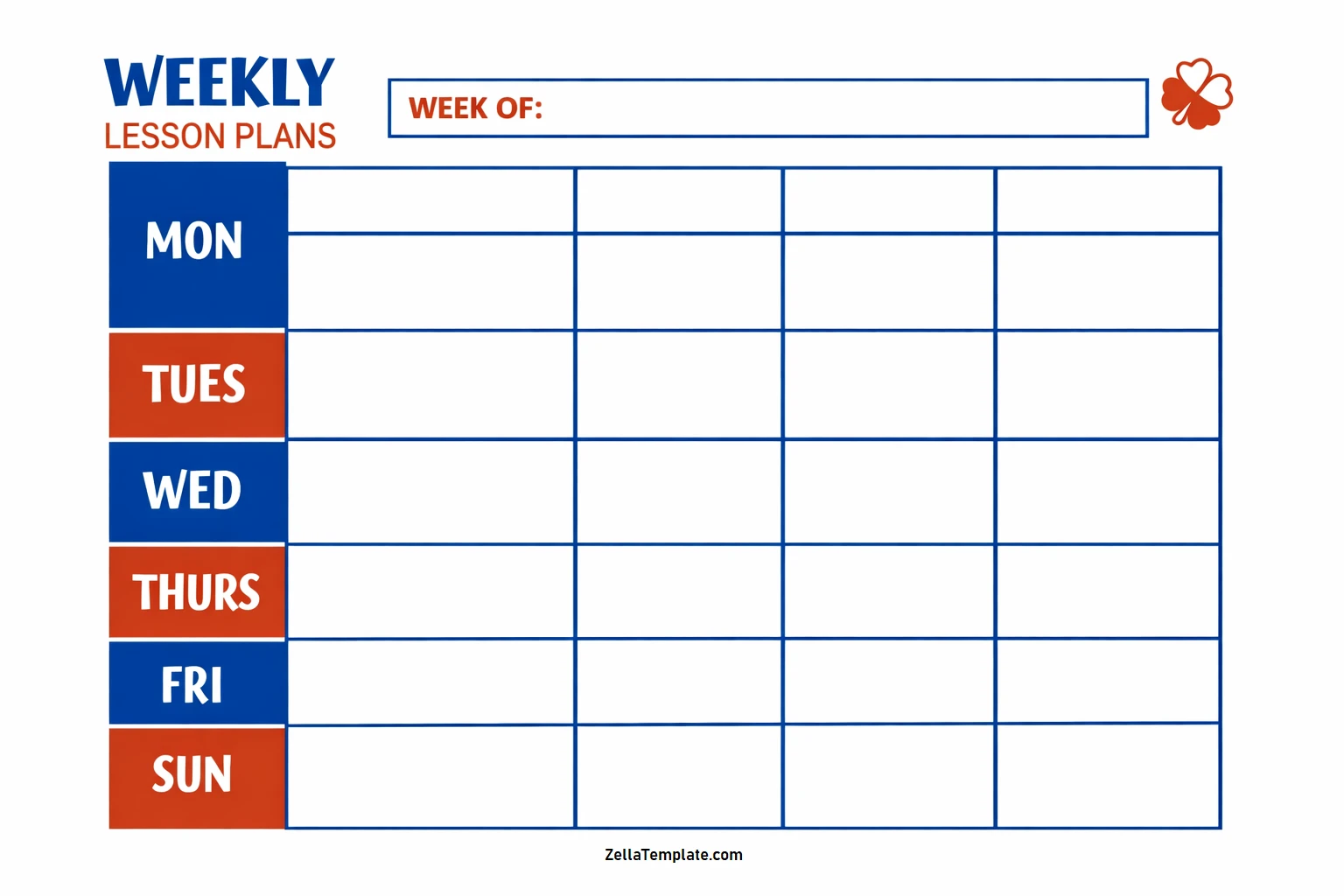
Are you a teacher looking to enhance your classroom effectiveness and organization? A weekly lesson plan might just be the solution you need.
Table of Contents
A lesson plan serves as a roadmap for teachers, outlining what students need to learn, how it will be taught, and how learning will be measured. By having a detailed outline to follow each class period, teachers can ensure that their lessons are well-structured, engaging, and aligned with learning objectives.
In this article, we will delve into the importance of lesson planning, the key elements of a great weekly lesson plan, and strategies for effective lesson planning.
What Is a Lesson Plan?
A lesson plan is a teacher’s guide for a specific lesson or class period. It details the objectives of the lesson, the procedures for teaching, the materials needed, and how learning will be assessed.
Lesson plans are essential for effective teaching as they provide a clear structure for instruction and help teachers stay organized and on track. By following a well-thought-out lesson plan, teachers can ensure that their lessons are coherent, engaging, and tailored to meet the needs of their students.
The Importance of Lesson Plans
Lesson plans are the backbone of effective teaching. They provide teachers with a roadmap for each lesson, helping them stay organized and focused on the learning goals. Without a lesson plan, teachers may struggle to keep students engaged, cover all the necessary content, or assess student understanding effectively.
A well-crafted lesson plan ensures that each class period is purposeful and productive, leading to better student outcomes and overall classroom success.
Elements of a Great Weekly Lesson Plan
A great weekly lesson plan should include the following key elements:
1. Learning Objectives
Learning objectives are the backbone of a lesson plan. They define what students should know or be able to do by the end of the lesson, guiding instruction and assessment. When creating learning objectives, teachers should ensure they are specific, measurable, achievable, relevant, and time-bound (SMART). By clearly articulating learning objectives, teachers can focus their instruction on key concepts and assess student understanding effectively.
2. Procedures
Procedures outline the sequence of activities and instructional strategies that will be used to teach the lesson. They provide a roadmap for teachers to follow, ensuring that each part of the lesson flows smoothly and engages students in meaningful learning. When planning procedures, teachers should consider the needs and interests of their students, incorporating a variety of activities to cater to different learning styles and preferences.
3. Materials
Materials refer to the resources, tools, and technology needed to support instruction and enhance student learning. Teachers should ensure they have all the necessary materials prepared in advance, including textbooks, handouts, technology, and supplementary resources. By having materials ready, teachers can deliver seamless and engaging lessons that capture students’ interest and promote active participation in the learning process.
4. Assessment
Assessment is a crucial element of the lesson plan, as it allows teachers to measure student understanding and progress towards learning goals. Assessments can take many forms, such as quizzes, tests, projects, or presentations, and should align with the learning objectives of the lesson. By incorporating assessments into the lesson plan, teachers can gather valuable feedback on student learning, provide targeted support, and adjust instruction as needed to meet the needs of all learners.
5. Differentiation
Differentiation is the practice of modifying instruction to meet the diverse needs of students. In a weekly lesson plan, teachers should include strategies for differentiating instruction to accommodate varying learning styles, abilities, and interests. This may involve providing additional support for struggling students, challenging activities for advanced learners, or accommodations for students with disabilities. By incorporating differentiation into the lesson plan, teachers can create an inclusive and supportive learning environment where all students can succeed.
6. Reflection
Reflection is an essential component of effective teaching practice. In a weekly lesson plan, teachers should include time for reflecting on the effectiveness of the lesson and identifying areas for improvement. By reflecting on what worked well and what could be enhanced, teachers can refine their teaching strategies, enhance student engagement, and promote continuous improvement in their practice. Reflection allows teachers to learn from their experiences and become more effective educators over time.
7. Time Management
Time management is crucial in a weekly lesson plan to ensure that all activities are completed within the allotted class period. Teachers should allocate time for each part of the lesson, taking into account transitions between activities, student engagement, and assessment. By planning for time management in advance, teachers can maintain a well-paced lesson that maximizes student learning and participation. Effective time management also helps teachers stay organized and focused on the learning objectives of the lesson.
8. Engagement
Engagement is key to promoting student motivation and learning in the classroom. In a weekly lesson plan, teachers should include activities and strategies that capture students’ interest and encourage active participation. This may involve incorporating hands-on activities, group work, technology, or real-world connections to the curriculum. By engaging students in the learning process, teachers can create a dynamic and interactive classroom environment where students are motivated to learn, ask questions, and explore new ideas.
Strategies for Effective Lesson Planning
To create effective lesson plans, teachers can follow these strategies:
1. Know Your Objectives
Clearly defining learning objectives is the first step in effective lesson planning. Teachers should be clear about what they want students to learn and be able to do by the end of the lesson. By knowing their objectives, teachers can design instruction that aligns with the desired outcomes and assess student understanding effectively.
2. Consider Student Needs
It is essential to consider the diverse needs of students when planning lessons. Teachers should take into account different learning styles, abilities, and interests to ensure that instruction meets the needs of all learners. By incorporating accommodations and modifications for diverse learners, teachers can create an inclusive and supportive learning environment where all students can succeed.
3. Use a Variety of Instructional Strategies
Incorporating a variety of instructional strategies can enhance student engagement and promote active learning. Teachers should use a mix of methods, such as direct instruction, group work, hands-on activities, technology, and discussion, to cater to different learning preferences and styles. By using diverse instructional strategies, teachers can create dynamic and interactive lessons that appeal to all students.
4. Assess Student Understanding
Assessment is a critical component of effective lesson planning. Teachers should use formative assessments throughout the lesson to gauge student understanding and adjust instruction as needed. By using quizzes, discussions, projects, or other assessment methods, teachers can gather valuable feedback on student learning and make informed decisions about future instruction.
5. Reflect on Your Teaching
Reflection is an essential part of the teaching process. After delivering a lesson, teachers should take
5. Reflect on Your Teaching
Reflection allows teachers to evaluate the effectiveness of their instruction and identify areas for improvement. After delivering a lesson, teachers should take time to reflect on what worked well, what could be enhanced, and what changes could be made for future lessons. By reflecting on their teaching practice, teachers can refine their strategies, enhance student engagement, and promote continuous improvement in their instruction.
6. Collaborate with Colleagues
Collaborating with colleagues is a valuable resource for enhancing lesson planning. Teachers can benefit from sharing ideas, resources, and best practices with their peers to improve their teaching practices. By collaborating with colleagues, teachers can gain new perspectives, receive feedback on their lesson plans, and learn from the experiences of others. Collaborative lesson planning can lead to more effective and engaging lessons that support student learning and success.
7. Stay Flexible
Flexibility is key in lesson planning, as unexpected events may arise during a lesson that require adjustments to the plan. Teachers should be prepared to adapt their lesson plans based on student responses, time constraints, or other unforeseen circumstances. By staying flexible and open to change, teachers can ensure that their lessons remain engaging, relevant, and effective for all students.
8. Seek Professional Development
Professional development is essential for staying current on best practices in education and enhancing teaching skills. Teachers should attend workshops, webinars, conferences, and other professional development opportunities to learn new strategies, techniques, and approaches to lesson planning. By seeking professional development, teachers can enhance their teaching practices, stay motivated, and continue to grow as educators.
In Conclusion
In conclusion, printable weekly lesson plans are valuable tools for teachers to enhance their classroom instruction and organization. By incorporating key elements such as learning objectives, procedures, materials, assessment, differentiation, reflection, time management, and engagement into their lesson plans, teachers can create effective and engaging lessons that promote student learning and success.
By following strategies for effective lesson planning, such as knowing objectives, considering student needs, using varied instructional strategies, assessing understanding, reflecting on teaching, collaborating with colleagues, staying flexible, and seeking professional development, teachers can enhance their teaching practices and create meaningful learning experiences for their students. Remember, a well-planned lesson is a step towards a successful teaching experience.
Weekly Lesson Planner Template – DOWNLOAD