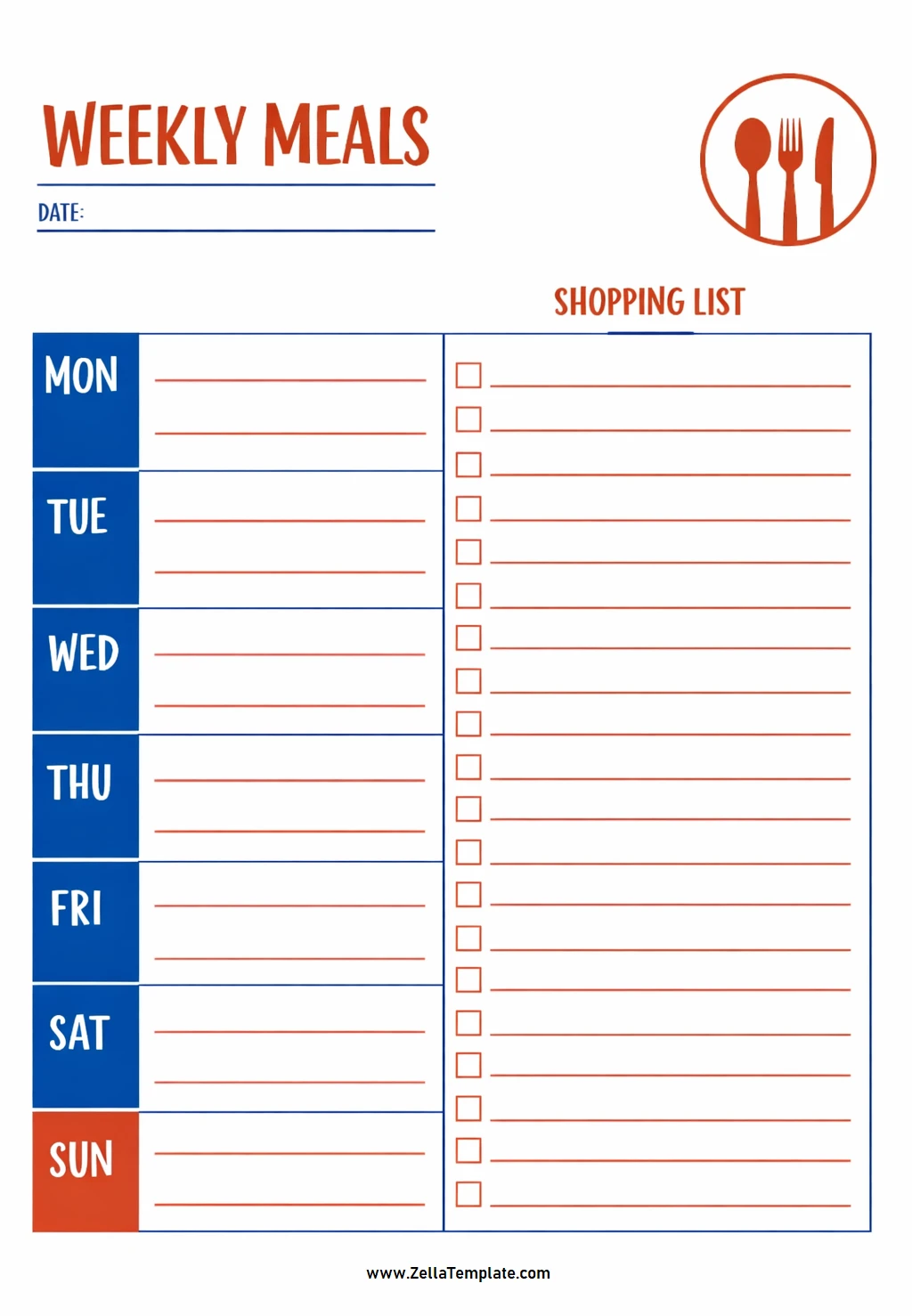
In today’s fast-paced world, finding time to cook nutritious meals can be a challenge. However, by implementing a weekly meal planner, you can streamline, organize, and optimize your food consumption by scheduling meals for seven days.
Table of Contents
This approach not only helps in reducing food waste but also saves money by preventing impulse buys, saves time, simplifies grocery shopping, reduces daily decision fatigue, and ensures a more balanced, nutritious diet.
What is a Weekly Meal Planner?
A weekly meal planner is a tool used to plan out meals for the entire week in advance. This includes breakfast, lunch, dinner, and snacks. By taking the time to plan your meals ahead of time, you can make more informed decisions about what you eat, ensuring that you are consuming a balanced diet that meets your nutritional needs.
Why You Should Consider Weekly Meal Planning?
There are several compelling reasons to consider incorporating weekly meal planning into your routine.
Save Time
One of the key benefits of weekly meal planning is the time-saving aspect. By planning your meals, you can save time during the week by knowing exactly what you need to cook each day. This eliminates the need to figure out meals on the spot, saving you precious time after a busy day at work or running errands.
Save Money
Weekly meal planning can also help you save money by preventing impulse buys at the grocery store and reducing food waste. When you have a clear plan of what you need to buy, you are less likely to purchase items you don’t need. Additionally, by using up ingredients in planned meals, you can minimize food waste and stretch your grocery budget further.
Eat Healthier
When you plan your meals, you have the opportunity to make healthier food choices. By selecting balanced recipes that include a variety of nutrients, you can ensure that you are consuming a well-rounded diet. Weekly meal planning allows you to focus on incorporating more fruits, vegetables, lean proteins, and whole grains into your meals, promoting better overall health.
Reduce Stress
The uncertainty of not knowing what to cook each day can add unnecessary stress to your life. Weekly meal planning helps alleviate this stress by providing a clear roadmap for your meals throughout the week. Knowing what you will be cooking ahead of time can give you peace of mind and eliminate the last-minute scramble to figure out dinner after a long day.
Key Elements of a Weekly Meal Planner
Meal Selection
When choosing recipes for your weekly meal plan, consider selecting dishes that are not only nutritious but also enjoyable to eat. Look for recipes that are simple to prepare, using ingredients that are readily available at your local grocery store. Opt for meals that can be made in bulk and easily reheated for leftovers, saving you time and effort during busy weekdays.
Grocery List
Creating a detailed grocery list is essential for successful weekly meal planning. Before heading to the store, review the recipes you have chosen for the week and make a list of all the ingredients you will need. Organize your list by category (e.g., produce, dairy, protein) to streamline your shopping experience. Check your pantry and refrigerator for any items you already have to avoid unnecessary purchases.
Prep Ahead
Prepping ingredients or entire meals in advance can significantly streamline your cooking process throughout the week. Spend some time on the weekend chopping vegetables, marinating proteins, or preparing sauces that can be used in multiple recipes. By prepping ahead, you can save time on busy weeknights and ensure that you have everything ready to go when it’s time to cook.
Variety
Including a variety of foods in your weekly meal plan is crucial for maintaining a balanced and nutritious diet. Aim to incorporate different food groups, colors, and textures into your meals to ensure you are getting a wide range of nutrients. Consider rotating proteins (such as chicken, fish, beans) and grains (like quinoa, brown rice, whole wheat pasta) throughout the week to keep meals interesting.
Flexibility
While having a structured meal plan is beneficial, it’s essential to allow for some flexibility. Unexpected events or cravings may arise during the week, requiring adjustments to your planned meals. Leave room in your meal plan for last-minute swaps or substitutions to accommodate changes in schedule or preferences. Being flexible will help you stick to your meal plan without feeling restricted.
Leftovers
Planning for leftovers can be a game-changer in your weekly meal planning routine. When cooking meals, consider making extra portions to enjoy as leftovers for lunch or dinner the next day. Leftovers can save you time and effort on cooking and also help reduce food waste by using up ingredients before they spoil. Store leftovers in airtight containers for easy reheating and enjoy a stress-free meal.
Schedule
Designating specific days for meal prepping, grocery shopping, and cooking can help you stay organized and efficient throughout the week. Determine which days work best for meal planning activities based on your schedule and commitments. Set aside time each week to create your meal plan, shop for groceries, and prepare meals in advance. By sticking to a schedule, you can ensure that your weekly meal planning remains a priority.
How to Create a Weekly Meal Plan
Creating a weekly meal plan may seem daunting at first, but with the right approach, it can become a seamless part of your routine.
Choose Your Recipes
Selecting recipes for your weekly meal plan is a critical first step. Consider recipes that align with your dietary preferences, cooking skills, and time constraints. Look for recipes that use similar ingredients to minimize waste and save money. Choose a balance of easy, quick meals for busy days and more elaborate dishes for when you have more time to cook.
Create a Grocery List
Once you have selected your recipes, create a comprehensive grocery list based on the ingredients needed for each meal. Organize your list by category (e.g., produce, pantry staples, proteins) to make shopping more efficient. Check your pantry and refrigerator for any items you already have to avoid duplicating purchases. Be sure to include quantities for each ingredient to avoid overbuying.
Schedule Your Meals
Allocate specific meals to each day of the week based on your schedule and preferences. Consider factors like cooking time, leftovers, and variety when planning your meals. Designate certain days for quick and easy meals, batch cooking, or trying new recipes. Keep in mind any social events, work commitments, or activities that may impact your meal prep and plan accordingly.
Prep Ahead
To streamline your cooking process, consider prepping ingredients or full meals in advance. Spend time chopping vegetables, marinating proteins, or assembling freezer meals that can be easily cooked during the week. Prepping ahead can save you time and stress when it comes to cooking meals on busy days. Store prepped ingredients in containers or bags for easy access.
Stay Flexible
While having a structured meal plan is essential, it’s crucial to remain flexible and adaptable. Life can be unpredictable, and unexpected events may disrupt your planned meals. Be open to making changes to your meal plan as needed, whether it’s swapping meals, using leftovers in creative ways, or trying new recipes on a whim. Flexibility allows you to adjust to changing circumstances while still maintaining a healthy eating routine.
Review and Adjust
At the end of each week, take some time to review your meal plan and assess what worked well and what could be improved. Consider factors like recipe choices, portion sizes, and variety in your meals. Reflect on any challenges or successes you experienced during the week and use this feedback to make adjustments for the following week’s meal plan. Learning from your past experiences will help you refine yourmeal planning process and create more efficient and enjoyable meal plans in the future.
Repeat
Make weekly meal planning a consistent part of your routine to reap the benefits in the long run. By establishing a habit of meal planning each week, you can save time, money, and stress associated with last-minute meal decisions. Consistency is key to maintaining a healthy eating pattern and ensuring that you have nutritious meals prepared and ready to enjoy throughout the week.
Tips for Successful Weekly Meal Planning
Weekly meal planning can be a game-changer in your routine, but it’s essential to approach it with a strategic mindset and practical tips to ensure success.
Batch Cooking
Consider batch cooking larger quantities of meals that can be portioned out and enjoyed as leftovers throughout the week. Cooking in batches saves time and effort on busy days when you may not have the energy to cook from scratch. Prepare soups, stews, casseroles, or grains in bulk and store them in individual containers for quick and convenient meals.
Use a Meal Planning App
Take advantage of technology by using a meal planning app to streamline the process and access new recipe ideas. Meal planning apps can help you create and organize your meal plans, generate grocery lists, and discover recipes based on your dietary preferences. Some apps even allow you to share meal plans with family members or sync your shopping list across devices for added convenience.
Involve Your Family
Get your family members involved in the meal planning process to ensure that everyone’s preferences are taken into account. Consider hosting a weekly meal planning session where family members can contribute recipe ideas, choose meals they enjoy, or help with meal prep. Involving your family not only fosters a sense of collaboration but also encourages healthier eating habits among all household members.
Rotate Recipes
Keep mealtime interesting by rotating recipes and trying new dishes each week. Incorporating variety into your meal plan prevents monotony and helps you discover new flavors and ingredients. Rotate proteins, grains, vegetables, and cooking methods to keep meals exciting and enjoyable. Experiment with different cuisines, seasonal produce, and cooking techniques to expand your culinary repertoire.
Include Snacks
Don’t forget to plan for snacks in your weekly meal plan to keep hunger at bay between meals. Healthy snack options can help you maintain energy levels throughout the day and prevent overeating during main meals. Include a mix of fresh fruits, vegetables, nuts, seeds, yogurt, or homemade energy bars as convenient snack options to satisfy cravings and fuel your body between meals.
Stay Organized
Keeping your meal planning materials organized can streamline the process and make it easier to stick to your plan. Use a dedicated meal planning notebook, app, or online tool to store your meal plans, recipes, and grocery lists in one central location. Keep track of favorite recipes, ingredient preferences, and meal ideas for future reference. Staying organized ensures that you have everything you need at your fingertips when planning your meals.
Don’t Stress
Remember that meal planning is meant to simplify your life, not add stress to it. Approach weekly meal planning with a positive attitude and an open mind, knowing that it may take some trial and error to find a system that works for you. Don’t stress if things don’t go perfectly according to plan or if you need to make adjustments along the way. Embrace the process as a learning experience and an opportunity to cultivate healthier eating habits.
By incorporating these tips and strategies into your weekly meal planning routine, you can create a more efficient, enjoyable, and stress-free experience. Whether you’re a seasoned meal planner or just starting, these practical tips can help you navigate the process with confidence and success. Remember that meal planning is a tool to empower you to make healthier food choices, save time and money, and enjoy delicious meals throughout the week.
Weekly Meal Planner Template – DOWNLOAD