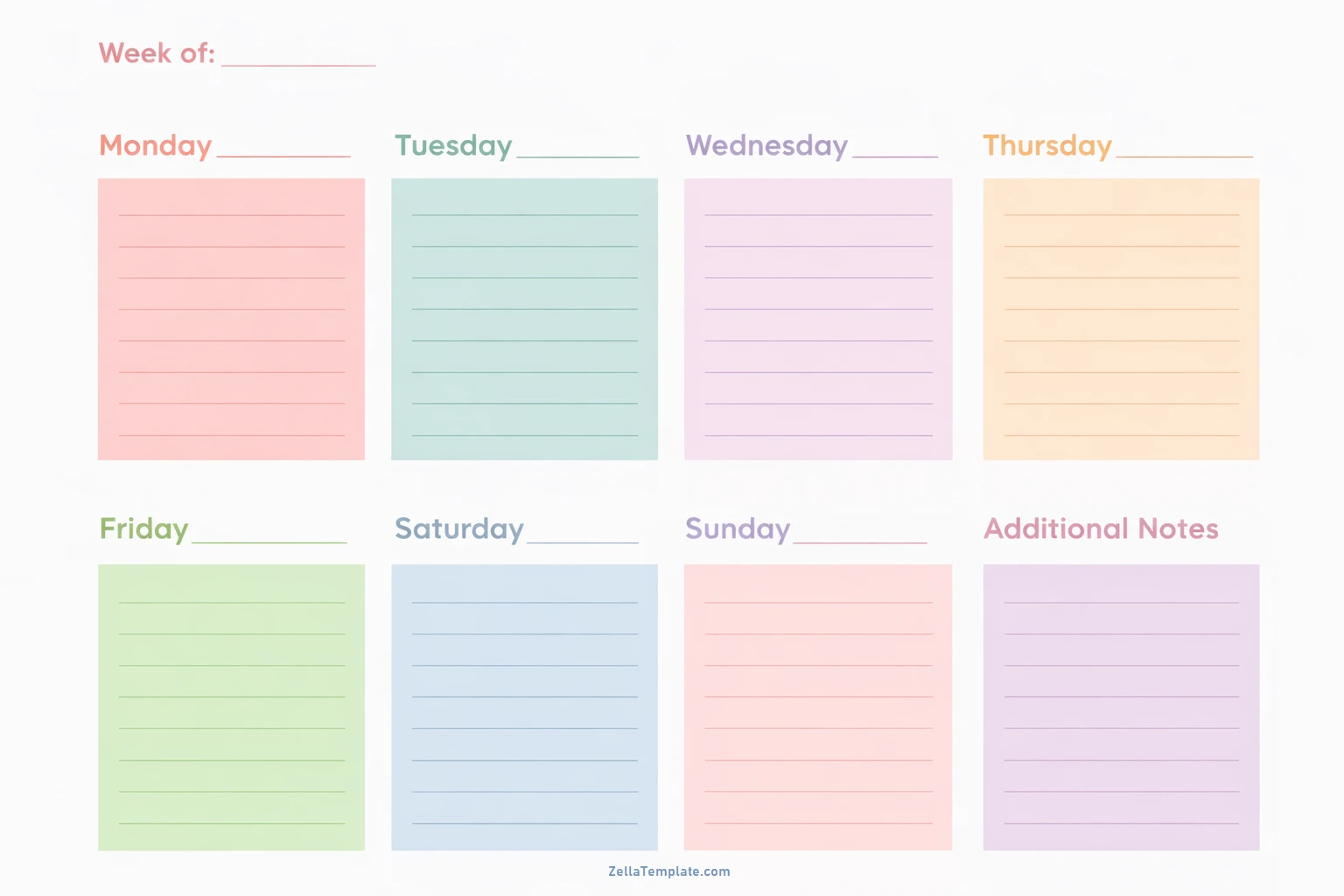
In today’s fast-paced world, staying organized and managing time effectively is crucial for success. One tool that can help individuals achieve this is a weekly planner.
Table of Contents
A weekly planner is a valuable tool that provides a clear overview of the upcoming week, helping to organize tasks, prioritize responsibilities, balance work and personal life, and reduce stress by allowing for proactive time management and goal alignment. By seeing the entire week at a glance, individuals can proactively schedule activities, meet deadlines, avoid conflicts, and create a structured routine that leads to increased productivity and a better work-life balance.
What is a Weekly Planner?
A weekly planner is a tool that allows individuals to plan and organize their week in advance. It typically consists of a calendar layout with space for each day of the week, where users can write down their tasks, appointments, goals, and reminders.
A weekly planner helps individuals to visualize their week, set priorities, allocate time for different activities, and ensure that they stay on track with their commitments.
Why Use a Weekly Planner?
Planning your week with the help of a weekly planner offers a range of benefits that can positively impact your productivity and overall well-being. Here are some additional reasons why using a weekly planner is advantageous:
Efficient Time Management
One of the primary benefits of using a weekly planner is the ability to manage your time efficiently. By allocating specific time slots for tasks and activities, you can ensure that you are making the most of each day. Time management is essential for meeting deadlines, avoiding procrastination, and accomplishing your goals in a timely manner.
Improved Productivity
When you have a clear plan laid out in your weekly planner, you are more likely to stay focused and productive throughout the week. Knowing what needs to be done and when helps you avoid distractions and stay on track with your tasks. Increased productivity leads to a sense of achievement and motivation, driving you to continue working towards your goals.
Reduced Stress and Anxiety
Feeling overwhelmed by a long to-do list and looming deadlines can contribute to stress and anxiety. A weekly planner can help alleviate these feelings by breaking down your workload into manageable chunks. By organizing your tasks and responsibilities, you can approach them methodically, reducing the sense of chaos and uncertainty that often leads to stress.
Enhanced Accountability
Using a weekly planner holds you accountable for your time and commitments. When you write down your tasks and goals for the week, you are more likely to follow through with them. The act of planning and tracking your progress in a weekly planner helps you stay committed to your objectives and ensures that you are taking the necessary steps to achieve them.
Better Work-Life Balance
Achieving a healthy work-life balance is essential for overall well-being and happiness. A weekly planner can help you prioritize both work-related tasks and personal activities, allowing you to allocate time for self-care, hobbies, family, and relaxation. By creating a balanced schedule, you can avoid burnout and enjoy a more fulfilling lifestyle.
What to Include in Your Weekly Planner?
When using a weekly planner, it’s essential to include key elements to make the most of this tool. Here are some things to consider including in your weekly planner:
Tasks and Goals
One of the primary components of a weekly planner is listing your tasks and goals for the week. This can include work assignments, personal errands, household chores, appointments, and any other responsibilities you need to address. Writing down your tasks helps you stay organized and ensures that nothing gets overlooked.
Appointments and Meetings
Include all important appointments, meetings, and events in your weekly planner. This could be work-related meetings, doctor’s appointments, social gatherings, or any other commitments that require your time. By noting these events in your planner, you can avoid scheduling conflicts and ensure that you are prepared for each engagement.
Deadlines and Due Dates
Record any deadlines or due dates for projects, assignments, bills, or other time-sensitive tasks. Knowing when tasks need to be completed helps you prioritize your workload and allocate your time effectively. By staying aware of upcoming deadlines, you can prevent last-minute rushes and ensure that you meet your obligations on time.
Personal Time and Self-Care
Don’t forget to allocate time for personal activities and self-care in your weekly planner. This could include exercise, hobbies, relaxation, socializing, or any other activities that contribute to your well-being. Taking care of yourself is essential for maintaining a healthy work-life balance and preventing burnout.
Daily Schedule and Time Blocks
Break down each day of the week into time blocks in your weekly planner. This allows you to plan out your day hour by hour and allocate specific time slots for each task or activity. By creating a detailed schedule, you can ensure that you make the most of your time and stay on track with your commitments.
Reflection and Review
Leave space in your weekly planner for reflection at the end of each week. Use this time to review what went well, what could be improved, and any lessons learned from the past week. Reflecting on your accomplishments and challenges helps you refine your approach for the following week and make adjustments as needed.
Flexibility and Adaptability
While planning is essential, it’s also important to remain flexible and adaptable. Life is unpredictable, and unexpected events may arise that require changes to your schedule. Include some buffer time in your planner to accommodate emergencies, delays, or new opportunities that may come up during the week.
How to Make the Most of Your Weekly Planner
To maximize the effectiveness of your weekly planner, consider the following tips:
Plan and Set Clear Goals
Take time at the beginning of each week to plan your schedule and set clear goals for what you want to accomplish. Having a roadmap for the week ahead keeps you focused and motivated to work towards your objectives.
Use Color Coding for Organization
Assign different colors to tasks based on their priority, category, or urgency. This visual method helps you quickly identify important tasks and allocate your time accordingly. Color coding adds a fun and effective organizational element to your planner.
Review Your Planner Daily
Make it a habit to check your weekly planner every day to stay on top of your tasks and appointments. This daily review helps you stay organized, avoid forgetting important events, and make adjustments to your schedule as needed.
Be Realistic with Your Time Blocks
Avoid overloading your schedule with too many tasks or unrealistic expectations. Be honest with yourself about how much you can accomplish in a day and allocate time blocks accordingly. Setting achievable goals leads to a sense of accomplishment and prevents feelings of overwhelm.
Stay Flexible and Adjust as Needed
Life is full of unexpected twists and turns, so it’s essential to remain flexible with your schedule. If unforeseen events arise or priorities shift, be willing to adjust your plans accordingly. Adaptability is a valuable skill that allows you to navigate change with grace and resilience.
Weekly Planner Template – DOWNLOAD