Wine labels are more than just pieces of paper wrapped around bottles; they are powerful marketing tools that communicate essential information about the wine and engage consumers with the brand’s narrative. From elegant designs to compelling stories, wine labels play a crucial role in shaping consumer perceptions and driving purchasing decisions.
Table of Contents
In this article, we will explore the multifaceted world of wine labels, delving into their importance, essential elements, marketing strategies, and the connection they establish between the wine’s story and the buyer’s experience.
What is a Wine Label?
While wine labels may first catch the eye with their beautiful designs and intricate artwork, their primary function is to provide consumers with vital information about the wine inside the bottle.
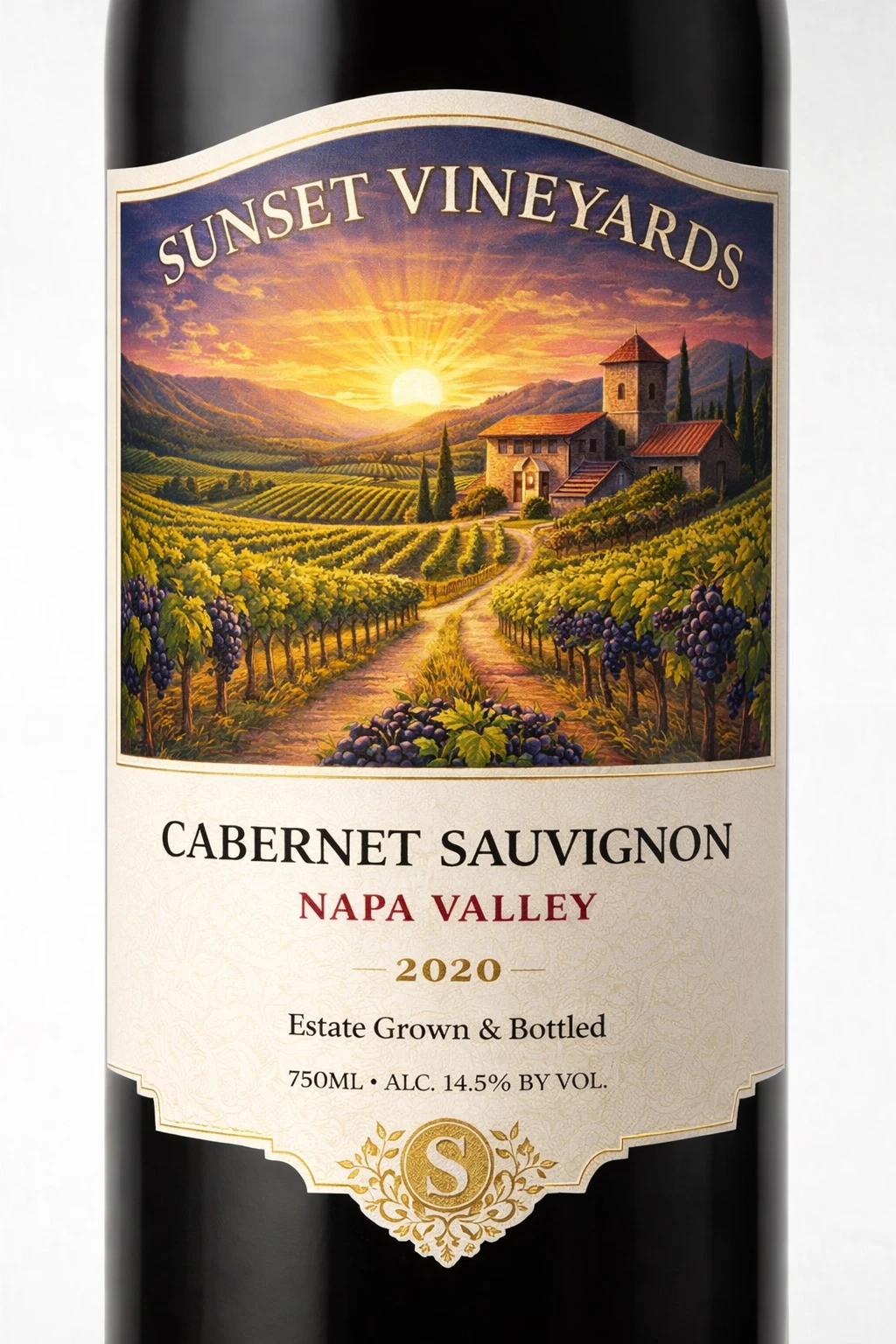
From the name of the winery to the region of origin, alcohol content, grape varietal, and vintage year, every detail on the label serves a purpose in informing buyers about what to expect from the wine. This information not only helps consumers make informed choices but also establishes credibility and transparency for the winery.
Essential Elements of a Wine Label
Winery Name and Logo
The winery name and logo are often the focal points of a wine label, serving as the primary identifiers of the brand. The name of the winery conveys credibility and reputation, while the logo encapsulates the brand’s identity and values. A well-designed logo can evoke emotions, create brand recognition, and differentiate the wine from others on the shelf.
Region of Origin
The region of origin is a critical piece of information on a wine label, as it signifies where the grapes were grown and the wine was produced. For many wine enthusiasts, the region holds significance in terms of terroir, climate, and winemaking traditions. Whether it’s a French Bordeaux, Italian Chianti, or Californian Napa Valley wine, the region of origin provides valuable context about the wine’s flavor profile and style.
Grape Varietal
The grape varietal used to make the wine is another essential element of a wine label, as it indicates the type of grape that predominates in the blend. Whether it’s a Cabernet Sauvignon, Chardonnay, or Pinot Noir, the grape varietal gives consumers insight into the wine’s potential flavors, aromas, and structure. Wine labels that prominently display the grape varietal help buyers make informed choices based on their taste preferences.
Vintage Year
The vintage year on a wine label refers to the year in which the grapes were harvested to make the wine. This information is crucial for wine enthusiasts who prefer wines from specific years known for exceptional quality or unique growing conditions. Vintage variation can significantly impact a wine’s taste and aging potential, making the vintage year an important factor for collectors and connoisseurs.
Alcohol Content
The alcohol content of a wine is expressed as a percentage by volume and is typically displayed prominently on the label. Alcohol content affects the wine’s body, mouthfeel, and overall perception of sweetness or dryness. For consumers who prefer lower or higher alcohol wines, this information helps them select bottles that align with their preferences and dietary restrictions.
Government Warning
Most wine labels include a government warning about the risks of alcohol consumption, such as “Contains Sulfites” or “Drink Responsibly.” These warnings are mandated by regulatory bodies to protect consumer health and safety by raising awareness about the potential effects of alcohol consumption. While not as visually appealing as other elements, these warnings serve an important public health purpose.
What Makes a Wine Label Say, “Buy Me”?
Eye-Catching Design
An eye-catching design is often the first thing that attracts consumers to a wine label. Whether it’s a bold color scheme, elegant typography, or striking imagery, a well-designed label stands out on the shelf and piques curiosity. Visual elements that are aesthetically pleasing and aligned with the brand’s identity can make a wine label irresistible to buyers, compelling them to pick up the bottle and learn more.
Storytelling and Narrative
Effective storytelling on a wine label can create an emotional connection with consumers and make the wine more memorable. Wineries that use their labels to share the story behind the wine, the winemaker’s philosophy, or the vineyard’s history can engage buyers on a deeper level. A compelling narrative adds depth and intrigue to the wine, inviting consumers to be part of the journey and experience behind the label.
Symbolism and Imagery
Symbols and imagery on wine labels can convey meaning, evoke emotion, and create a sense of intrigue. Whether it’s a vineyard landscape, a historic crest, or a whimsical illustration, visual elements can communicate the essence of the wine and its unique characteristics. Clever use of symbolism can capture consumers’ attention and convey the brand’s values and personality in a captivating way.
Call-to-Action and Brand Messaging
Effective wine labels not only inform and entice but also include a call-to-action that encourages consumers to purchase the wine. Whether it’s a simple “Enjoy with friends” or a more elaborate invitation to visit the winery, brand messaging on labels can influence buyer behavior and create a sense of urgency. By incorporating compelling calls-to-action, wine labels can motivate consumers to take action and engage with the brand beyond the purchase.
Consistency and Branding
Consistency in branding across wine labels is key to creating a strong visual identity and building brand recognition. When consumers see a familiar logo, color palette, or design style on a label, they are more likely to associate it with a specific winery or wine range. Consistent branding reinforces brand loyalty, fosters trust, and makes it easier for consumers to identify and choose wines from their favorite producers.
Innovation and Creativity
As the wine industry evolves and consumer preferences shift, wineries are embracing innovation and creativity in their label designs. From interactive labels that incorporate augmented reality to eco-friendly labels made from recycled materials, there are endless opportunities for wineries to differentiate themselves and stand out in a crowded market. By pushing the boundaries of traditional label design, wineries can capture consumers’ attention and create memorable experiences that extend beyond the bottle.
Wine Label Template – WORD