Embarking on a fitness journey can be exhilarating, but without a structured plan in place, it’s easy to lose sight of your goals. This is where a workout schedule comes into play, providing a roadmap for achieving your fitness aspirations by ensuring consistency, balancing all aspects of fitness, preventing plateaus, and boosting motivation through clear planning and progress tracking.
Table of Contents
A well-crafted workout schedule can make exercise an automatic, effective, and sustainable habit, ultimately leading to long-term results.
What is a Workout Schedule?
A workout schedule is a detailed plan that outlines the specific exercises, duration, and intensity levels you will engage in on different days of the week. It serves as a guide to help you stay on track with your fitness goals by providing a structured framework for your workouts.
Why is a Workout Schedule Important?
Having a workout schedule is crucial for several reasons:
- Consistency: A schedule helps you stay consistent with your workouts, which is key to seeing progress.
- Balanced Approach: It ensures you address all aspects of fitness, including strength, cardio, and flexibility training.
- Preventing Plateaus: By incorporating variety into your workouts, you can avoid hitting a plateau and continue making gains.
- Motivation: Clear planning and progress tracking can boost your motivation and keep you committed to your fitness journey.
- Time Efficiency: It prevents wasted time in the gym by ensuring you have a focused plan for each workout session.
Key Elements of a Workout Schedule
When creating a workout schedule, consider the following key elements:
- Goal Setting: Clearly define your fitness goals to tailor your workout schedule accordingly.
- Variety: Include a mix of exercises to target different muscle groups and prevent boredom.
- Progress Tracking: Keep a log of your workouts to monitor your progress and make adjustments as needed.
- Rest Days: Incorporate rest days to allow your body to recover and prevent burnout.
- Flexibility: Be willing to adjust your schedule based on your body’s response and changing needs.
How to Create a Workout Schedule
Follow these steps to create an effective workout schedule:
Setting Clear Goals
Begin by defining your fitness goals, whether it’s building muscle, losing weight, or improving endurance. Your goals will shape the structure of your workout schedule.
Determining Your Available Time
Consider how many days per week you can dedicate to working out and how much time you can allocate to each session. This will help you create a realistic schedule.
Choosing Your Workouts
Select a mix of strength training, cardio, and flexibility exercises that align with your goals. Make sure to include exercises that target all major muscle groups.
Creating a Weekly Plan
Map out your workouts for each day of the week, ensuring you have a good balance of different types of exercises. Factor in rest days for recovery.
Monitoring Your Progress
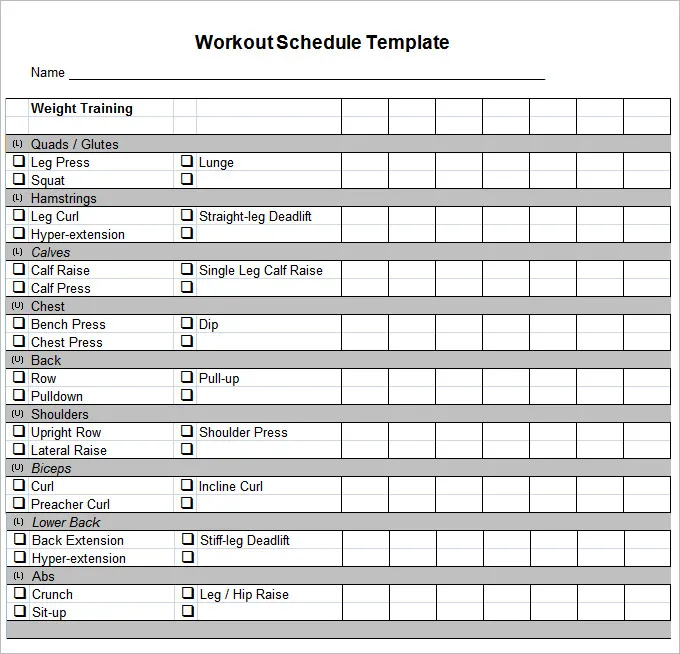
Keep track of your workouts, noting the exercises, sets, reps, and weights used. This will help you see how far you’ve come and make adjustments as needed.
Staying Flexible
Be open to adjusting your schedule based on your body’s response and any unforeseen circumstances. Don’t be afraid to make changes as needed.
Seeking Accountability
Share your workout schedule with a friend or hire a personal trainer to help hold you accountable and stay motivated on your fitness journey.
Tips for Successful Workout Scheduling
Consider the following tips to optimize your workout schedule:
- Plan Ahead: Schedule your workouts in advance to ensure you make time for them.
- Listen to Your Body: Pay attention to how your body feels and adjust your schedule accordingly to prevent injuries.
- Stay Consistent: Stick to your schedule as much as possible to build a routine and see results.
- Stay Hydrated and Nourished: Fuel your body with proper nutrition and hydration to support your workouts.
- Rest and Recover: Don’t forget to include rest days in your schedule to allow your body to recover and avoid overtraining.
- Stay Motivated: Find ways to stay motivated, whether it’s through music, workout buddies, or tracking your progress.
- Celebrate Small Wins: Acknowledge your progress and celebrate small victories along the way to stay motivated.
By creating a well-thought-out workout schedule and following it consistently, you can achieve your fitness goals and make exercise a sustainable habit. Remember to listen to your body, stay flexible, and seek accountability to stay on track with your fitness journey. With the right plan in place, you’ll be well on your way to a healthier, stronger, and more confident you.
Workout Schedule Template – EXCEL