What is a Work Schedule?
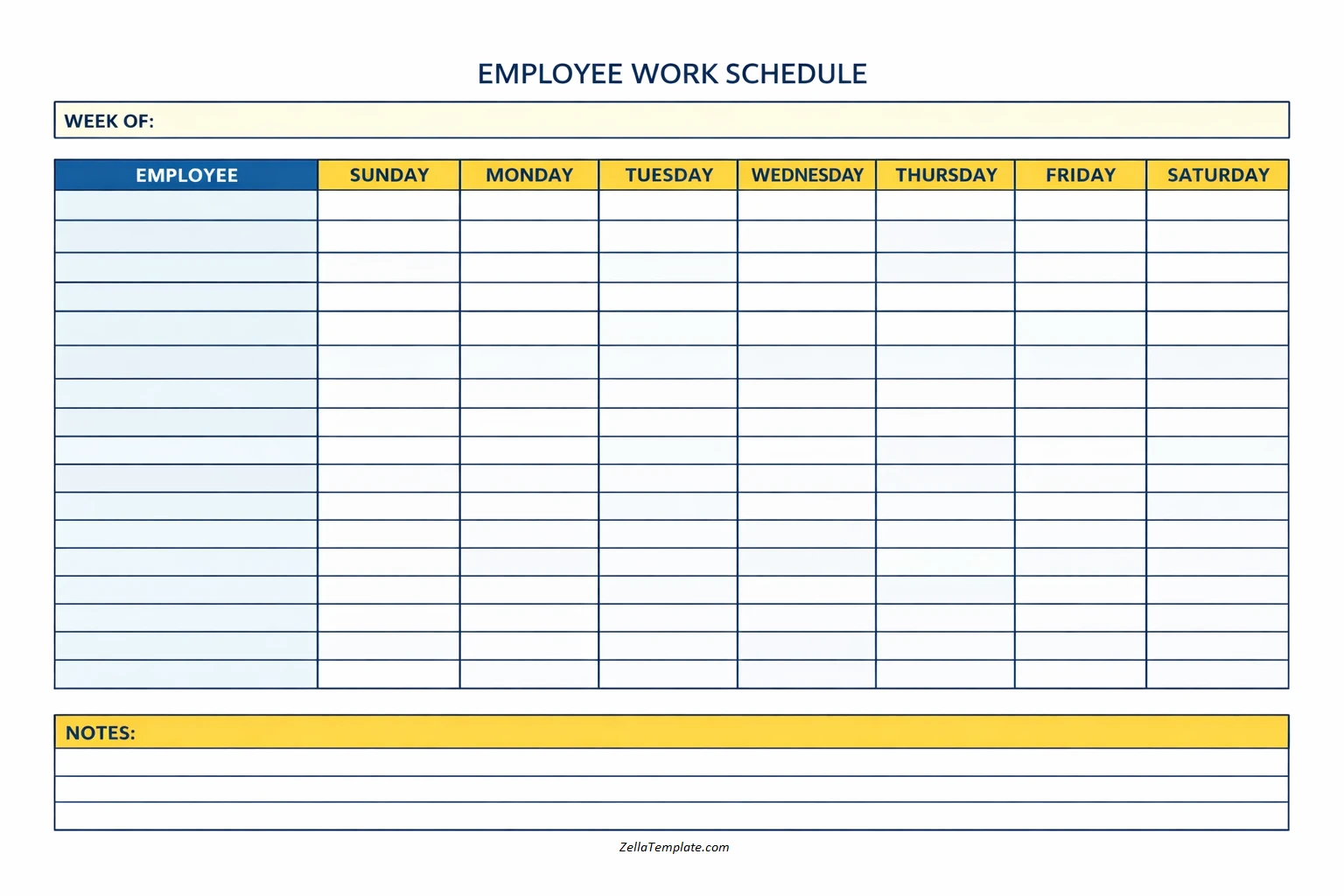
A work schedule is a predetermined timetable that outlines when employees are expected to be at work, detailing their shifts, breaks, and days off.
Table of Contents
It serves as a guideline for both employees and employers, ensuring that the right people are in the right place at the right time to meet operational needs and deliver high-quality service.
Why is a Well-Structured Work Schedule Important?
Boosting Productivity
A well-structured work schedule aligns workforce coverage with workload, ensuring that there are enough employees available to handle tasks efficiently. When employees have clear schedules and responsibilities, they can focus on their work without disruptions or uncertainties, leading to increased productivity and better outcomes for the organization.
Promoting Fairness
Fairness in work scheduling is essential for maintaining a positive work environment and fostering trust among employees. A transparent scheduling process that is based on objective criteria, such as seniority, skills, and business needs, ensures that all employees have equal opportunities for shifts and time off. This reduces favoritism, boosts morale, and encourages teamwork and collaboration.
Preventing Understaffing
Understaffing can have detrimental effects on an organization, leading to increased stress, errors, and customer dissatisfaction. A well-structured work schedule helps prevent understaffing by accurately forecasting staffing needs and scheduling employees accordingly. By ensuring that there are enough workers available to meet demand, employers can maintain operational efficiency and quality service delivery.
Enabling Work-Life Balance
Work-life balance is a key factor in employee satisfaction and retention. A work schedule that takes into account employees’ personal commitments, preferences, and well-being allows them to achieve a better balance between work and personal life. This, in turn, leads to higher job satisfaction, reduced burnout, improved mental health, and increased loyalty to the organization.
Ensuring Compliance with Labor Laws
Adhering to labor laws and regulations regarding work hours, breaks, and overtime is not only a legal requirement but also a moral obligation for employers. A well-structured work schedule helps ensure compliance with labor laws by clearly outlining employees’ work hours, breaks, and rest periods. By following these regulations, employers can avoid legal issues, protect employee rights, and maintain a positive reputation in the industry.
What to Include in a Well-Structured Work Schedule?
Clear Shift Assignments
Clear shift assignments are essential for effective work scheduling. Employers should clearly define employees’ shifts, including start and end times, as well as any breaks or meal periods. By providing clear guidelines on shift assignments, employers can prevent confusion and ensure that employees are aware of their work hours and responsibilities.
Rotation Schedule
In some industries, a rotation schedule is necessary to distribute workload evenly among employees. A rotation schedule outlines when employees will work different shifts or roles regularly, allowing them to gain experience in various areas of the organization. By implementing a rotation schedule, employers can cross-train employees, increase flexibility in staffing, and prevent burnout from repetitive tasks.
Time-Off Requests
A well-structured work schedule should include a process for employees to request time off in advance. This process may involve submitting requests through an online portal, communicating with a supervisor, or following a specific protocol. By establishing clear guidelines for time-off requests, employers can manage employee absences effectively, ensure adequate staffing levels, and accommodate employees’ personal needs.
Overtime Policy
An overtime policy is essential for managing employee work hours and compensation. Employers should establish guidelines for when and how overtime will be assigned, including compensation rates, maximum work hours per week, and approval procedures. By implementing a clear overtime policy, employers can prevent excessive overtime, ensure fair compensation for extra work, and comply with labor laws related to overtime pay.
Communication Channels
Effective communication is key to successful work scheduling. Employers should provide clear communication channels for employees to check their schedules, request changes, and address any concerns. This may include using scheduling software with built-in messaging features, posting schedules in a common area, or holding regular meetings to discuss scheduling issues. By maintaining open lines of communication, employers can keep employees informed and engaged in the scheduling process.
How to Create an Effective Work Schedule
Assess Workload
Before creating a work schedule, employers should assess the workload and determine the number of employees required to complete tasks efficiently. This may involve analyzing historical data, forecasting future demand, and considering seasonal fluctuations in workload. By understanding the organization’s workload, employers can allocate resources effectively and prevent understaffing or overstaffing.
Consider Employee Preferences
Employee preferences play a significant role in work scheduling. Employers should take into account employees’ availability, skills, personal commitments, and preferences when assigning shifts. This may involve conducting surveys, holding one-on-one meetings, or using scheduling software that allows employees to indicate their preferred hours. By considering employee preferences, employers can increase job satisfaction, reduce turnover, and improve employee morale.
Utilize Scheduling Software
Scheduling software can streamline the work scheduling process and improve accuracy and efficiency. Employers can use scheduling software to automate shift assignments, track employee availability, and generate reports on staffing levels. This technology can also offer features such as shift swapping, time-off requests, and notifications for schedule changes. By investing in scheduling software, employers can save time, reduce errors, and ensure that schedules are fair and compliant with labor laws.
Monitor and Adjust
Creating an effective work schedule is an ongoing process that requires regular monitoring and adjustments. Employers should regularly review the schedule for any discrepancies, understaffing, or overstaffing and make necessary changes to optimize workforce coverage. This may involve conducting daily check-ins with employees, analyzing scheduling data, and soliciting feedback from staff. By monitoring the schedule proactively, employers can address issues promptly and maintain a balanced and efficient workforce.
Seek Feedback
Employee feedback is valuable for improving the work schedule and addressing any concerns or challenges. Employers should gather feedback from employees about the schedule, including their preferences, workload, and any issues they have encountered. This feedback can be collected through surveys, focus groups, or one-on-one meetings with managers. By listening to employee feedback, employers can identify areas for improvement, implement changes effectively, and enhance employee satisfaction and engagement.
Tips for Managing a Work Schedule Effectively
Plan Ahead
Creating the schedule well in advance allows employees to plan their personal commitments accordingly. Employers should provide schedules at least two weeks in advance to give employees time to make arrangements for childcare, appointments, or other obligations.
Be Flexible
Accommodating reasonable requests for time off and shift changes promotes employee satisfaction and engagement. Employers should be willing to make adjustments to the schedule based on employees’ needs, within the constraints of operational requirements and business goals.
Communicate Clearly
Ensuring that all employees are aware of their shifts, responsibilities, and any changes to the schedule is essential. Employers should communicate schedule updates through multiple channels, such as email, text messages, or a centralized scheduling platform, to ensure that all staff are informed.
Monitor Attendance
Keeping track of employee attendance and addressing any issues promptly helps maintain consistency in staffing. Employers should have a system in place to track employee attendance, address tardiness or absenteeism, and provide support or disciplinary action as needed.
Offer Incentives
Recognizing and rewarding employees who adhere to the schedule and go above and beyond in their roles can boost morale and motivation. Employers can offer incentives such as bonuses, extra time off, or public recognition to employees who consistently show up on time and perform well.
Review Regularly
Evaluating the effectiveness of the schedule regularly helps identify areas for improvement and make necessary adjustments. Employers should review scheduling data, analyze employee feedback, and track key performance indicators to ensure that the schedule is meeting operational needs and employee preferences.
Stay Proactive
Anticipating potential scheduling conflicts or staffing shortages allows employers to address issues before they become problematic. By staying proactive and forecasting upcoming challenges, employers can make necessary adjustments to the schedule to prevent disruptions and maintain operational efficiency.
Provide Training
Training employees on how to use scheduling software effectively and understand the scheduling process can improve overall schedule management. Employers should offer training sessions, resources, and support to help employees navigate the scheduling system, submit time-off requests, and communicate scheduling preferences.
Encourage Collaboration
Involving employees in the scheduling process by seeking their input and involving them in decision-making can increase engagement and satisfaction. Employers should encourage open communication, collaboration, and teamwork when creating the schedule to ensure that employees feel valued and empowered in the scheduling process.
Consider Employee Well-Being
Taking into account employee well-being and work-life balance when creating the schedule is essential for maintaining a healthy and productive workforce. Employers should consider factors such as shift length, break times, consecutive working days, and workload distribution to ensure that employees have time to rest and recharge between shifts.
Track Performance Metrics
Monitoring key performance metrics related to scheduling, such as attendance rates, overtime costs, productivity levels, and employee satisfaction scores, can provide valuable insights into the effectiveness of the schedule. Employers should track these metrics regularly and use the data to make informed decisions about scheduling improvements.
Seek Continuous Improvement
Work scheduling is a dynamic process that requires ongoing evaluation and refinement. Employers should continuously seek feedback from employees, analyze scheduling data, and implement changes to optimize the schedule for both operational efficiency and employee well-being. By embracing a culture of continuous improvement, employers can adapt to changing business needs and employee preferences.
Invest in Employee Well-Being Programs
Creating programs and initiatives that support employee well-being, such as wellness programs, mental health resources, and stress management workshops, can help employees cope with the demands of their work schedules. Employers should prioritize employee health and well-being as part of their overall scheduling strategy to ensure that employees feel supported and valued.
Provide Schedule Flexibility
Offering schedule flexibility, such as the option to work remotely, adjust shift times, or swap shifts with colleagues, can empower employees to better manage their work-life balance. Employers should explore flexible scheduling options that meet business needs while allowing employees to customize their schedules to fit their personal preferences and responsibilities.
Encourage Work-Life Balance
Promoting a healthy work-life balance among employees is essential for maintaining motivation, engagement, and job satisfaction. Employers should prioritize work-life balance initiatives, such as flexible scheduling, paid time off, and remote work options, to help employees achieve harmony between their professional and personal lives.
Provide Clear Expectations
Setting clear expectations for employees regarding their work schedules, responsibilities, and performance standards helps minimize confusion and foster accountability. Employers should communicate expectations clearly, provide written guidelines, and offer training on schedule management to ensure that employees understand their roles and obligations.
Offer Support for Personal Development
Encouraging employees to pursue personal development opportunities, such as training programs, skill-building workshops, or career advancement initiatives, can enhance job satisfaction and employee engagement. Employers should support employees’ growth and development by offering resources, mentorship, and opportunities for career progression within the organization.
Monitor Compliance with Labor Laws
Ensuring compliance with labor laws and regulations related to work scheduling is critical for avoiding legal risks and maintaining a positive relationship with employees. Employers should stay informed about relevant labor laws, update policies and procedures accordingly, and seek legal counsel if needed to ensure that their work schedules are compliant with current regulations.
Work Schedule Template – WORD